
Published by U’Linen 27 Aug 2026
Most people in Dubai and Abu Dhabi spend a reasonable amount of money on skincare. Cleanser, SPF, serums, night creams. They follow routines and still deal with breakouts, irritated skin, or unexplained flare-ups that don’t respond to products.
What a growing number of dermatologists are pointing to is the one thing most patients never consider: their pillow cases.
Your pillowcase is in contact with your face for six to eight hours every night. In the UAE, where the combination of summer heat, humidity, and air-conditioned sleeping environments creates specific skin stresses that don’t exist in cooler climates, the wrong pillowcase material actively works against your skin no matter what you apply before bed.
Here’s what dermatologists consistently recommend, why the UAE makes this recommendation more urgent than anywhere else, and which fabric actually works in practice for UAE homes.
Looking for GOTS certified organic cotton pillow cases that handle UAE washing frequency? Browse U’Linen’s pillow case sets, free from formaldehyde, toxic dyes, and bleaches.
تسوق أغطية الوسائد العضوية ابتداءً من 70 درهمًا إماراتيًا →
توصيل مجاني في جميع أنحاء دبي وأبو ظبي وجميع إمارات الإمارات العربية المتحدة. بدون أي عبوات بلاستيكية.
Why Your Pillowcase Is a Skin Problem in the UAE
In any climate, a pillowcase collects sweat, sebum (the skin’s natural oil), dead skin cells, bacteria, makeup residue, and hair product buildup every night. After a few nights of use, it becomes a reservoir of exactly the substances that clog pores and trigger inflammation.
The UAE amplifies this problem in ways most global dermatology advice doesn’t account for. Dubai and Abu Dhabi summers regularly push 45 degrees Celsius. Even with air conditioning running overnight, your body produces significantly more sweat than it would in a cooler climate.
More sweat means faster bacterial accumulation on the fabric. More sebum production is also triggered by heat, adding to the load of pore-clogging material your face is resting against.
Then there’s the humidity factor. The UAE’s coastal areas experience high humidity, which slows the evaporation of moisture from both the skin and the fabric. In cooler, drier climates, sweat evaporates quickly from a pillowcase and the bacteria it carries dry out.
In UAE humidity, moisture lingers, and bacteria thrive longer. The result is that a pillowcase that might be acceptable for three days of use in London becomes a skin risk after one night in Dubai.
This is why dermatologists treating patients in the UAE consistently return to the same recommendation: change your organic pillow cases more frequently than you think necessary, and look very carefully at what the fabric is made from.
The Silk Debate: What Dermatologists Say and What UAE Life Demands
In global dermatology circles, the most commonly recommended pillowcase upgrade is silk. The reasoning is well-established. Silk creates significantly less friction against facial skin than standard cotton, which reduces the mechanical irritation that worsens acne, eczema, and skin creasing overnight. It also absorbs less moisture, meaning it doesn’t pull hydration from the skin or strip away night creams and serums.
These are real benefits. The issue is that this recommendation assumes a temperate climate and a standard laundry routine. In the UAE, neither assumption holds.
The Silk Problem in UAE Conditions
Genuine mulberry silk, the grade dermatologists recommend, requires hand washing or delicate machine cycles at low temperatures.
In the UAE, where most households need to wash pillow cases every two to three days due to accelerated sweat and bacterial accumulation, this washing requirement becomes unsustainable. Repeated low-temperature washing does not adequately sanitise fabric from bacteria. Higher-temperature washing degrades silk within weeks.
There is also the breathability issue. Silk performs well in moderate temperatures but retains warmth in high-heat environments, making it less comfortable as a sleeping surface in UAE summer conditions even with AC running.
What Dermatologists Say About Cotton as an Alternative
Several board-certified dermatologists have pointed out that standard washing at 40 and 60 degrees Celsius is the most reliable way to remove bacteria and skin residue from pillow cases.
Cotton, unlike silk, handles this washing temperature without degrading. For patients who need to change pillow cases every two to three days, which is the dermatologist recommendation for acne-prone skin, cotton’s washability makes it the practically superior choice.
The critical word is quality. Standard cotton with short-staple fibres has a coarser texture that creates the same friction problem silk is supposed to solve. Long-staple organic cotton is different. The finer fibres produce a smoother, tighter weave that dramatically reduces skin friction compared to standard cotton, while remaining fully washable at the temperatures needed to actually sanitise the fabric.
U’Linen pillow cases for skin are made from GOTS certified long-staple organic cotton. Smooth enough to reduce friction. Certified clean enough for sensitive skin. Washable enough for UAE conditions. From AED 70.
The Specific Skin Problems the Right Pillowcase Addresses in the UAE
Acne and Breakouts
Breakouts that appear primarily on the cheeks or the side of the face you sleep on are a classic sign of pillowcase-related acne. The mechanism is direct: bacteria, sebum, and dead skin cells that accumulate on the fabric are pressed back against skin pores overnight. In UAE conditions where accumulation happens faster, the cycle from clean pillowcase to skin-risk fabric happens more quickly.
For acne-prone skin, dermatologists recommend changing pillow cases every two to three days. That recommendation requires a fabric that survives frequent washing: cotton handles this; silk does not.
Eczema and Sensitive Skin Flare-Ups
For anyone with eczema or chronic skin sensitivity, fabric certification matters as much as fabric type. A cotton pillowcase that contains formaldehyde residue from processing, synthetic dyes, or bleaching agents is still a skin irritant regardless of its thread count. This is the specific gap that GOTS certification closes. GOTS (Global Organic Textile Standard) independently verifies that the cotton is organically grown and that the entire production process uses no formaldehyde, toxic dyes, or harmful bleaches. For sensitive skin, this certification is the difference between cotton that calms and cotton that continues to irritate.
Hair Breakage and Scalp Health
Friction from a coarse pillowcase surface also affects hair. Overnight movement against a rough fabric causes cuticle damage, which leads to breakage, frizz, and split ends. The scalp produces sebum the same way facial skin does. A pillowcase that accumulates this sebum and transfers it back to the scalp can contribute to blocked follicles, particularly in UAE humidity.
A smooth long-staple cotton pillowcase reduces hair friction significantly. The difference between standard cotton and long-staple organic cotton is substantial enough that most users notice the change within weeks.
What the Right Pillow Case Swap Actually Looks Like
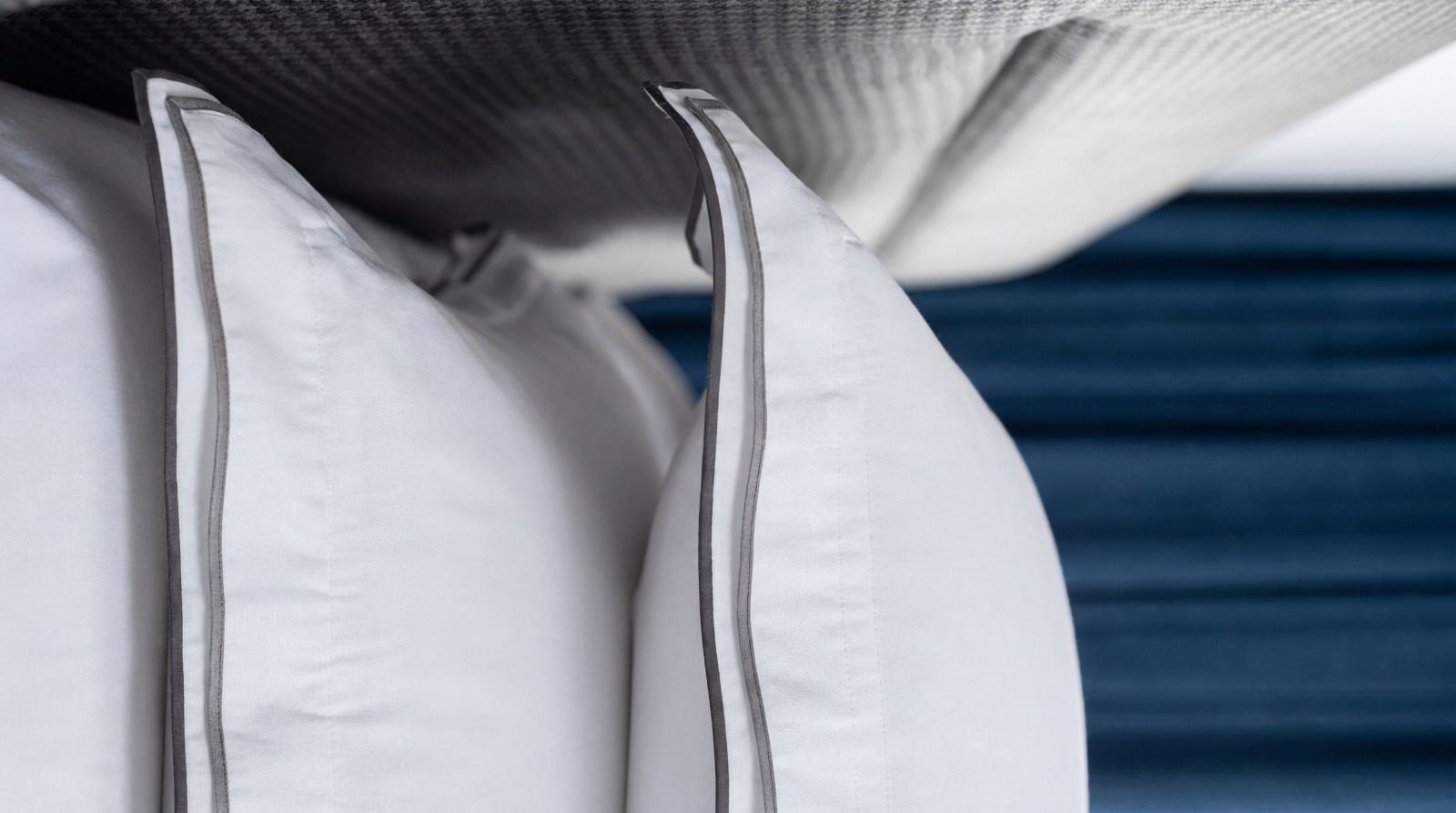
The dermatologist recommendation, adapted for UAE conditions, is this: replace whatever pillow cases you’re currently using with GOTS certified long-staple organic cotton. Wash them every two to three days at 40 to 60 degrees Celsius. Use a mild, fragrance-free detergent. That’s the full intervention.
U’Linen’s cooling pillow cases are made from GOTS certified long-staple cotton with a true 300 thread count, single-ply construction. The fabric is hypoallergenic, free from formaldehyde, toxic dyes, and bleaches. It gets softer with every wash rather than rougher. Pillow case sets start from AED 70 with free delivery across Dubai, Abu Dhabi, and all UAE emirates.
For a broader guide to choosing pillow cases for all aspects of UAE living, see our complete guide to choosing the right pillow cases in UAE. To build a full coordinated bedding setup across all pieces, browse the U’Linen complete bedding bundle set range.
الأسئلة الشائعة
What are the best sheets for skin health?
Dermatologists recommend smooth, breathable fabrics with minimal friction and low bacterial retention. Long-staple organic cotton certified to GOTS standard meets all three criteria and handles frequent washing at 40 to 60 degrees Celsius, which is essential for sanitising bedding in UAE heat conditions.
How often should you change your pillow case if you have acne?
Dermatologists recommend changing pillow cases every two to three days for acne-prone skin. In the UAE, where summer heat and humidity cause higher sweat output during sleep, this recommendation applies throughout most of the year. GOTS certified long-staple cotton handles this washing frequency without losing softness.
What is the best bedding for sensitive skin in the UAE?
GOTS certified organic cotton is the safest choice for sensitive skin in the UAE. The certification confirms the fabric contains no formaldehyde, toxic dyes, or harmful bleaches. Combined with washing every two to three days, it removes the bacterial and sebum accumulation that worsens skin sensitivity in UAE conditions.
Are silk pillow cases actually better for skin?
Silk reduces friction and is a genuine dermatologist recommendation. However, in the UAE, silk degrades under the frequent high-temperature washing required to sanitise pillow cases. Long-staple cotton handles UAE washing frequency better. A clean cotton pillow case washed every two days provides more practical skin benefit than a silk pillow case that can only be washed weekly.
Why does Gen Z not use top sheets?
The flat sheet has become less common among younger sleepers who prefer a simpler bed setup with just a fitted sheet and duvet. In the UAE, the flat sheet actually serves a practical role in summer as a breathable top layer when sleeping under a full duvet is too warm. Its absence is a preference, not a dermatologist recommendation.
How often should you change your sheets if you have eczema?
Dermatologists recommend washing all bedding at least weekly for eczema, and pillow cases every two to three days. Use a fragrance-free detergent at 40 to 60 degrees Celsius. GOTS certified organic cotton handles this frequency without degrading and eliminates chemical irritants from processing.
Where can I buy dermatologist-friendly pillow cases in Dubai?
U’Linen offers GOTS certified organic cotton pillow cases with free delivery across Dubai, Abu Dhabi, and all UAE emirates. Certified free from formaldehyde, toxic dyes, and bleaches. Priced from AED 70. Handles washing at 40 to 60 degrees Celsius without losing softness.