
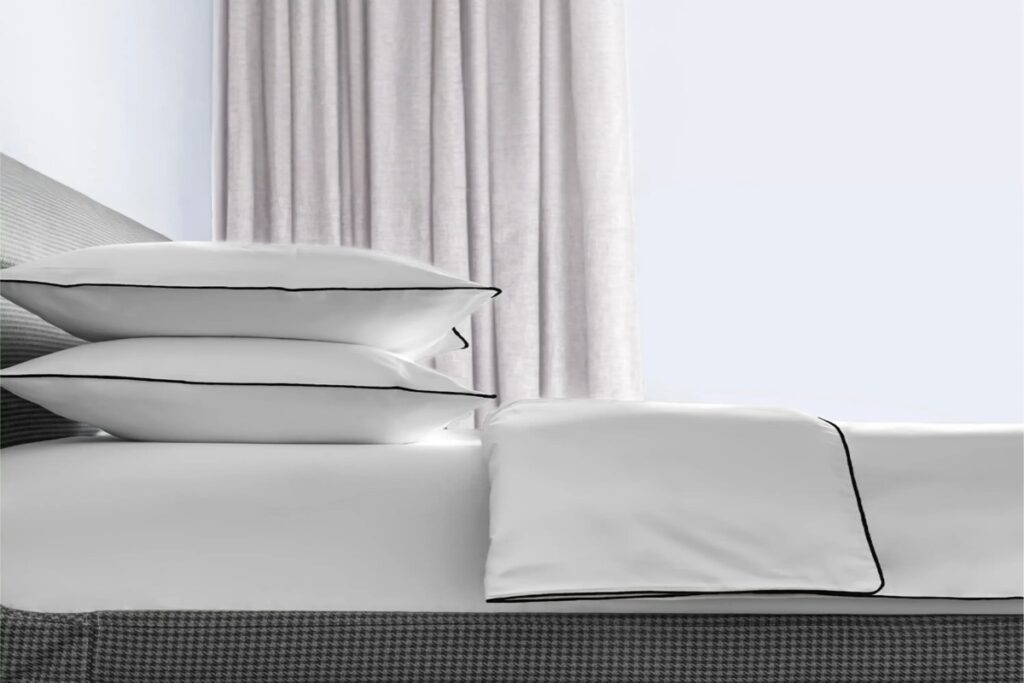
You want sheets that feel good tonight and still make sense in five years. Then you start shopping and every label says “eco”, “natural” or “green”, and almost none of them tell you why.
Here’s the short answer. The most eco-friendly bedding is made from certified organic or low-input natural fibres, processed without harmful chemicals and built to last for years. In practice, that means three things:
- a Global Organic Textile Standard (GOTS) certificate
- a breathable natural fibre such as organic cotton, linen or hemp
- one well-made set instead of three cheap ones
In the UAE, there’s one more test. Your bedding has to cope with 45-degree summers, AC running all night and frequent washing. This guide covers all of it, updated for 2026.
Looking for eco-friendly bed sheets that are certified, not just labelled? U’Linen sheets are made from GOTS certified long-staple organic cotton with a true 300 thread count. They’re breathable in Dubai heat and softer with every wash.
→ Shop Organic Cotton Bedding Sets
How Do You Choose Eco-Friendly, Breathable Bedding?
Choose a natural fibre (organic cotton, linen or hemp), check for an independent certificate such as GOTS, and avoid polyester blends and inflated thread counts. Breathability comes from the fibre and the yarn, not from marketing claims. A single-ply organic cotton sheet at a true 300 thread count will breathe better than a 1,000 thread count multi-ply sheet.
Use this six-step check before you buy:
- Check the fibre. 100 per cent natural fibre — organic cotton, linen, hemp or lyocell. Avoid polyester and “cotton-rich” blends.
- Check the certificate. Look for GOTS (organic from farm to finished product) or OEKO-TEX Standard 100 (tested for harmful substances). A certificate number you can verify beats any “eco” badge.
- Check the thread count honestly. 200–400 is the real range for breathable sheets. Anything above 400 usually means multi-ply yarn counted twice.
- Check the processing. Good eco-friendly sheets are free from formaldehyde, chlorine bleach and toxic dyes.
- Check the lifespan. Long-staple fibres pill less and last longer, so you replace sheets less often.
- Check the packaging. Plastic-free packaging is a small but real signal that a brand means it.
Why Eco-Friendly Bedding Actually Matters
We spend a lot of hours wrapped in our sheets. That matters. Fabrics made with pesticides, heavy dyes or plastic blends can irritate skin, trap heat, and feel a bit synthetic. Choosing Eco-friendly bedding often means fewer chemicals, more breathable fibres, and a product that ages well. Many eco-friendly bedding options now offer a luxury feel, using premium materials and sophisticated designs that elevate the sleep experience.
Another point: buying less, buying better. A single well-made set that lasts five years is kinder to the planet than three cheap sets that fray after a season. It’s a small change that adds up.
What Makes Bed Sheets Environmentally Friendly?
Environmentally friendly bed sheets reduce harm at every stage: how the fibre is grown, how it’s processed, how long it lasts and what happens when you’re done with it. A sheet can be “natural” and still be bleached with chlorine, finished with formaldehyde and worn out within a year.
That’s why certification matters more than wording. Words like “eco”, “green” and “earth friendly” have no fixed definition. A certificate does.
GOTS vs OEKO-TEX: Which Label Actually Proves It?
| GOTS | OEKO-TEX Standard 100 | |
|---|---|---|
| What it certifies | Organic fibre plus the full supply chain | The finished product is tested for harmful substances |
| Organic requirement | Yes — minimum 70% organic fibre; 95% to use the “organic” label grade | No — conventional cotton can qualify |
| Covers farming | Да | Нет |
| Covers processing chemicals | Yes — restricts bleaches, toxic dyes and finishes | Tests for residues in the final product |
| Covers social criteria | Yes — labour standards across factories | Нет |
| Best for | Proving bedding is genuinely organic and responsibly made | Confirming bedding is safe against skin |
In short, OEKO-TEX tells you a sheet is safe. GOTS tells you it’s organic, safe and made responsibly. U’Linen bedding is certified to the Global Organic Textile Standard from farm to finished sheet.
Organic Cotton – The Comfortable Classic
If you’re just starting out, Organic cotton bedding is a reliable pick. It’s soft, breathable, and easy to live with. Most people like it because it behaves year-round — warm when you need it, cool when you don’t. It’s also a low-risk swap from regular cotton: you get the same feel, but without pesticides and harsh finishing treatments.
Organic cotton bedding is available in a wide range of color options, allowing for easy customization to match any bedroom decor. Many brands offer organic cotton bedding as part of a curated collection, making it easy to find coordinated sets for a cohesive look.
Think of it as the everyday favourite — familiar, comfortable and quietly dependable.
For a quick note on why people make the jump, check the Benefit of organic bedding — it’s rarely about trendiness and more about comfort + confidence.
Bamboo and Tencel – Smooth, Modern Options (With One Honest Caveat)
If you prefer a silkier feel, bamboo and Tencel are worth knowing about. Both feel cool and smooth, wick moisture well and drape beautifully.
Tencel (lyocell) is made from wood pulp in a closed-loop process, where most of the solvent is recovered and reused. It’s one of the better semi-synthetic options. It is less durable under hot washes, though.
Bamboo needs a closer look. The bamboo plant grows fast with few inputs, but most bamboo sheets are actually bamboo viscose (rayon). That fabric is made by dissolving the plant in chemical solvents. The plant may be green; the process often isn’t. If a label says “bamboo” without “lyocell” or a certification, assume it’s viscose.
When comparing organic bedding vs regular bedding, certified organic cotton remains the most transparent choice. You know the fibre, the farming and the processing.
Linen and Hemp – Texture with Character
Linen, made from flax, is light, breezy and slightly rumpled. It needs less water and fewer pesticides than conventional cotton, handles heat well and softens with every wash. The trade-offs are creasing and a higher price.
Hemp is linen’s tougher cousin. It grows with very few inputs and is extremely durable, but it feels firm and heavy at first and takes many washes to soften.
What Hemp Duvet Cover Do Experts Recommend for Eco-Friendly Bedrooms?
Experts don’t point to one brand. They point to a set of criteria. A good hemp duvet cover should be:
- 100 per cent hemp or a hemp–organic cotton blend – no polyester
- Independently certified – GOTS for organic blends, or OEKO-TEX Standard 100 at minimum
- Pre-washed or enzyme-softened – so it isn’t stiff on day one
- Fitted with inner corner ties – to keep the duvet in place
- Finished with natural or undyed colours – to reduce chemical load
In the UAE, hemp’s weight is worth considering. Under AC in winter it feels grounded and cosy. In a humid summer it can feel heavy. For year-round comfort, many UAE sleepers find a lighter certified organic cotton duvet cover easier to live with.
Eco-Friendly Bedding for Specific Needs: Allergies, Sensitive Skin, and More
If you have allergies or sensitive skin, the right bedding can make all the difference between a restless night and a truly restful sleep. Eco-friendly bedding is perfect for anyone looking for a luxurious, comfortable, and healthy sleeping experience—especially if you’re sensitive to chemicals or prone to irritation.
The best eco-friendly bedding sets are made from natural, hypoallergenic materials like 100% cotton, linen, or bamboo. These fabrics are gentle on your skin, breathable, and help regulate temperature, making them ideal for all seasons. If you’re looking for a duvet cover, pillowcases, or a complete set, you’ll find plenty of options that combine comfort and style with peace of mind.
For sensitive skin, look for a true 300 thread count woven from single-ply yarn. It gives you a smooth, breathable surface that’s gentle on skin. Be wary of anything advertised above 400. It’s usually multi-ply yarn counted twice, heavier, warmer and a marketing number rather than a quality one.
Certifications like GOTS (Global Organic Textile Standard) and OEKO-TEX are your assurance that the bedding you choose is free from harmful chemicals and made with sustainable practices. Whether you’re looking for a soft fitted sheet, a breathable duvet cover, or pillowcases that feel gentle against your face, these products offer a luxurious experience that’s also better for the environment.
In 2026, the demand for eco-friendly bedding is only set to grow, with more people seeking out products that support both their health and the planet. Manufacturers are responding with high-quality, stylish bedding sets that are perfect for anyone who wants to sleep well and live sustainably.
So, whether you’re managing allergies, caring for sensitive skin, or simply want the best for your bedroom, eco-friendly bedding offers a perfect blend of comfort, quality, and style. Make the switch today and enjoy a healthier, more luxurious sleep—your skin, your bedroom, and the environment will thank you.
How to Choose the Right Eco-Friendly Bedding – A Practical Buyer’s Guide
Whether you’re a hot sleeper or prefer a cozy feel, there are eco-friendly bedding options to suit your needs.
I made a short Guide to choose the right bedding based on what matters day to day:
- Certifications: Look for GOTS or OEKO-TEX.
- Match to sleep style: Hot sleeper? Try linen or bamboo. Want cosy and familiar? Organic cotton or Tencel might be better.
- Check care labels: If you hate ironing, don’t buy a fibre that needs it.
- Buy fewer, better sets: Replace the habit of “lots of cheap things” with “one thing I really like.”
There’s no one-size-fits-all, but whether you’re looking for certified organic materials or easy-care fabrics, these steps keep choices sensible.
Simple Bedding Swaps That Make a Big Difference in Sleep Quality
You don’t need to change everything at once. Swap one item and see how you sleep:
- Start with organic bed sheets. A breathable base makes the biggest difference. Shop Organic Bed Sheets →
- Add a flat sheet if you like a layered feel.
- Use a snug fitted sheet so the bed stays tidy without fuss. Check our size guide first.
- Try an organic pillow case set for a gentler surface against your face.
- Finish with an organic duvet cover to keep your duvet fresh and chemical-free.
Or do it all at once. A bundle set includes a fitted sheet, duvet cover and pillowcases in matching GOTS certified organic cotton.
Care Tips for Organic and Eco-Friendly Bedding
Treat your bedding well and it will repay you. A few habits that help:
- Wash on a gentle cycle in cool or warm water. Hot water is rarely necessary.
- Line dry when you can — it’s gentler on fibres and saves energy.
- Use mild detergent and avoid heavy perfumes or bleach.
- Rotate sets to reduce wear.
Eco-Friendly Bedding Trends – Colours, Materials, and Local Choices
This year the look leans calm: soft neutrals, natural hues and simple patterns. People want bedding that doesn’t shout but feels good. Multi-season duvets are in — one good duvet instead of two separate ones for summer and winter. Also, a quiet movement toward locally made textiles reduces shipping impact and supports small makers.
Final Thoughts — Sleep Well, Choose Well
The best eco-friendly bedding isn’t the one with the greenest label. It’s the one that is certified, breathable, built to last and right for the way you actually sleep. In the UAE, that usually means GOTS certified long-staple organic cotton.
U’Linen sheets are made from 100 per cent GOTS certified long-staple organic cotton, woven from single-ply yarn at a true 300 thread count. They’re free from formaldehyde, toxic inks and bleaches, and delivered in plastic-free packaging. Every set is backed by Ultra Fabrics — 35 years of fabric expertise across the Middle East.
Free delivery across UAE on orders over AED 300. New customers can use code FIRST10 for 10 per cent off their first order.
→ Shop Eco-Friendly Organic Bedding
Frequently Asked Questions:
What is the most eco-friendly bedding?
The most eco-friendly bedding is made from certified organic or low-input natural fibres, such as GOTS certified organic cotton, linen or hemp. It should be processed without harmful chemicals and built to last for years. Durability matters as much as the fibre, because sheets you replace less often have a smaller overall footprint.
What are eco-friendly bed sheets made of?
Eco-friendly bed sheets are usually made from organic cotton, linen (flax), hemp or Tencel lyocell. The best options carry an independent certificate such as GOTS or OEKO-TEX Standard 100. Avoid polyester, microfibre and unspecified blends, which are plastic-based and trap heat.
How do you choose eco-friendly breathable bedding?
Choose a 100 per cent natural fibre, check for GOTS or OEKO-TEX certification and look for a true thread count between 200 and 400 with single-ply yarn. Avoid polyester blends and sheets advertised above 400 thread count, which are usually multi-ply and less breathable. For hot climates like the UAE, organic cotton and linen breathe best.
What is the best eco-friendly bedding for hot weather in the UAE?
GOTS certified long-staple organic cotton is the best all-round choice for UAE heat. It is breathable, moisture-wicking and comfortable under AC. Linen is also excellent in heat but creases easily, while polyester and microfibre should be avoided because they trap heat and feel sticky on humid nights.
Where can I buy eco-friendly bedding in Dubai?
U’Linen sells GOTS certified organic cotton bed sheets, duvet covers, pillowcases and bundle sets online, with delivery across Dubai, Abu Dhabi and all seven emirates. Delivery is free on orders over AED 300, and U’Linen also ships to Saudi Arabia, Kuwait, Qatar, Oman and Bahrain.