
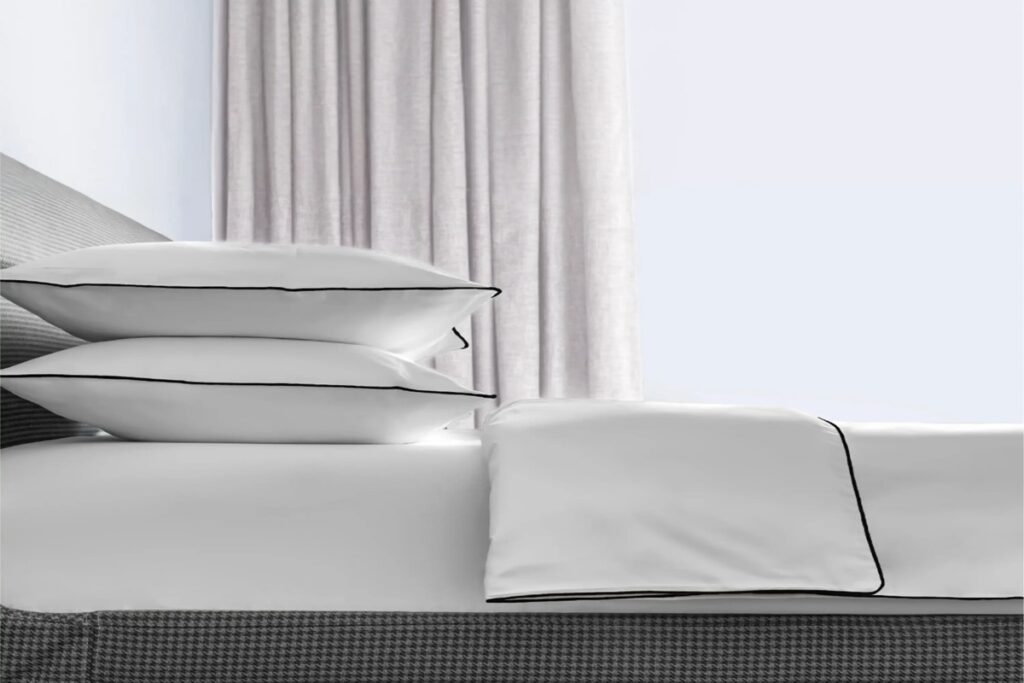
There’s a small joy in falling into bed that never gets old. The right sheets can make you flop down with a little sigh; the wrong ones can make you fidget and get up to change them. Lately, more people I know aren’t just chasing softness — they’re asking where the fabric came from and how it was made. That curiosity has pushed Eco-friendly bedding from a nice idea into something practical and desirable.
This piece is for the person who wants a better night’s sleep and wants their choices to mean something. No preaching. Just sensible, useful advice
Why Eco-Friendly Bedding Actually Matters
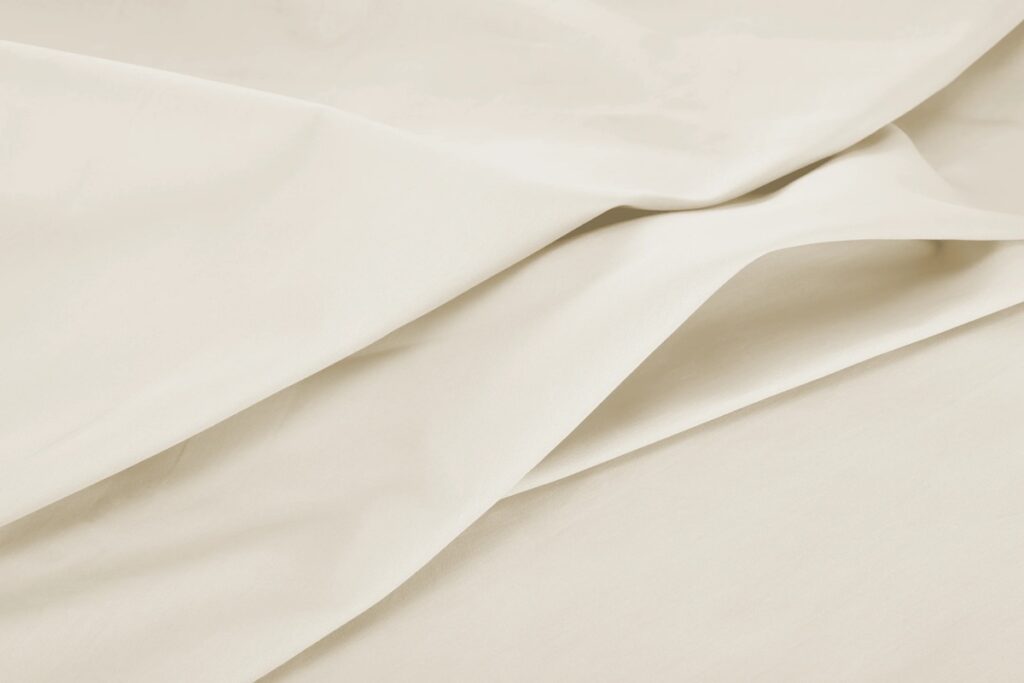
We spend a lot of hours wrapped in our sheets. That matters. Fabrics made with pesticides, heavy dyes or plastic blends can irritate skin, trap heat, and feel a bit synthetic. Choosing Eco-friendly bedding often means fewer chemicals, more breathable fibres, and a product that ages well. Many eco-friendly bedding options now offer a luxury feel, using premium materials and sophisticated designs that elevate the sleep experience.
Another point: buying less, buying better. A single well-made set that lasts five years is kinder to the planet than three cheap sets that fray after a season. It’s a small change that adds up.
Organic Cotton – The Comfortable Classic
If you’re just starting out, Organic cotton bedding is a reliable pick. It’s soft, breathable, and easy to live with. Most people like it because it behaves year-round — warm when you need it, cool when you don’t. It’s also a low-risk swap from regular cotton: you get the same feel, but without pesticides and harsh finishing treatments.
Organic cotton bedding is available in a wide range of color options, allowing for easy customization to match any bedroom decor. Many brands offer organic cotton bedding as part of a curated collection, making it easy to find coordinated sets for a cohesive look.
Think of it as the everyday favourite — familiar, comfortable and quietly dependable.
For a quick note on why people make the jump, check the Benefit of organic bedding — it’s rarely about trendiness and more about comfort + confidence.
Bamboo and Tencel – Smooth, Modern Options
If you prefer something a bit silkier, bamboo and Tencel are worth trying. Bamboo fabrics feel smooth and cool; they wick moisture well and are gentle on skin. Tencel, made from sustainably sourced wood pulp, drapes beautifully and stays soft wash after wash.
When weighing Organic bedding vs Regular bedding, these two often win on comfort and breathability. They’re not just “green versions” of synthetics — many sleepers find them more comfortable overall.
Linen and Hemp – Texture with Character
Linen has a personality: slightly rumpled, light, and breezy. It’s brilliant for warm nights and gets softer with every wash. Hemp is more robust — it can feel firmer at first, but becomes mellow over time and is ridiculously durable.
Both materials bring a textured, lived-in look to a room that cotton rarely matches. They’re the kind of fabrics that feel like they belong in the home, not a showroom.
Eco-Friendly Bedding for Specific Needs: Allergies, Sensitive Skin, and More
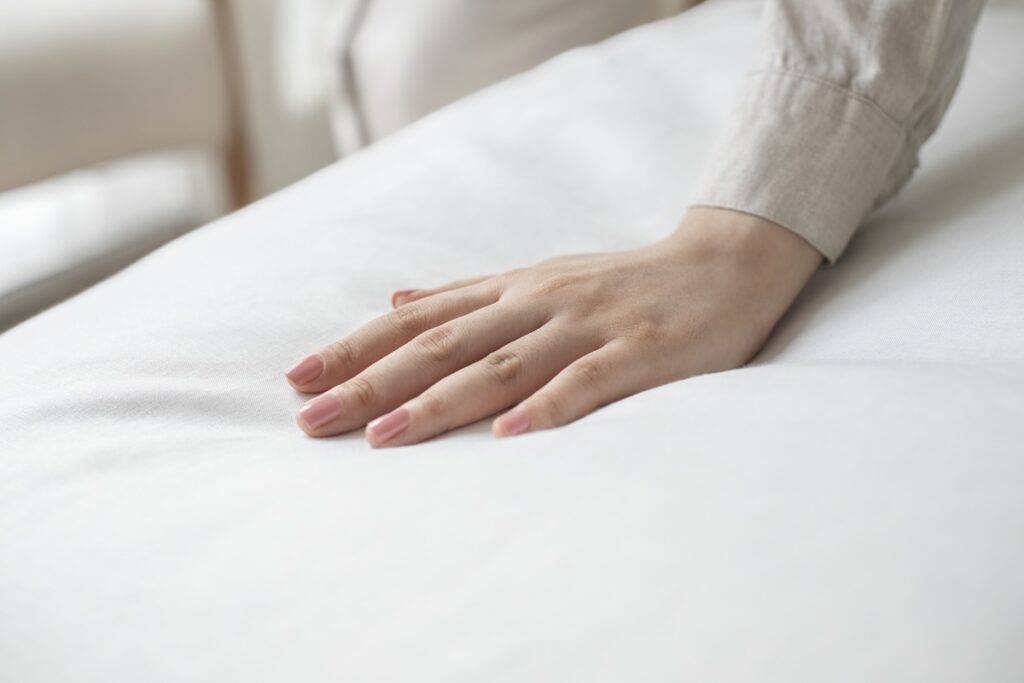
If you have allergies or sensitive skin, the right bedding can make all the difference between a restless night and a truly restful sleep. Eco-friendly bedding is perfect for anyone looking for a luxurious, comfortable, and healthy sleeping experience—especially if you’re sensitive to chemicals or prone to irritation.
The best eco-friendly bedding sets are made from natural, hypoallergenic materials like 100% cotton, linen, or bamboo. These fabrics are gentle on your skin, breathable, and help regulate temperature, making them ideal for all seasons. If you’re looking for a duvet cover, pillowcases, or a complete set, you’ll find plenty of options that combine comfort and style with peace of mind.
For those with sensitive skin, look for bedding with a true thread count (300 to 400 tread count is the best) — this means a softer, smoother surface that’s less likely to cause irritation. Choosing products dyed with natural or no dyes at all can further reduce the risk of skin reactions. Many eco-friendly bedding collections are available in multiple colors and sizes, so you can find the perfect match for your bedroom decor without compromising on quality or comfort.
Certifications like GOTS (Global Organic Textile Standard) and OEKO-TEX are your assurance that the bedding you choose is free from harmful chemicals and made with sustainable practices. Whether you’re looking for a soft fitted sheet, a breathable duvet cover, or pillowcases that feel gentle against your face, these products offer a luxurious experience that’s also better for the environment.
In 2025, the demand for eco-friendly bedding is only set to grow, with more people seeking out products that support both their health and the planet. Manufacturers are responding with high-quality, stylish bedding sets that are perfect for anyone who wants to sleep well and live sustainably.
So, whether you’re managing allergies, caring for sensitive skin, or simply want the best for your bedroom, eco-friendly bedding offers a perfect blend of comfort, quality, and style. Make the switch today and enjoy a healthier, more luxurious sleep—your skin, your bedroom, and the environment will thank you.
How to Choose the Right Eco-Friendly Bedding – A Practical Buyer’s Guide
Whether you’re a hot sleeper or prefer a cozy feel, there are eco-friendly bedding options to suit your needs.
I made a short Guide to choose the right bedding based on what matters day to day:
- Certifications: Look for GOTS or OEKO-TEX.
- Match to sleep style: Hot sleeper? Try linen or bamboo. Want cosy and familiar? Organic cotton or Tencel might be better.
- Check care labels: If you hate ironing, don’t buy a fibre that needs it.
- Buy fewer, better sets: Replace the habit of “lots of cheap things” with “one thing I really like.”
There’s no one-size-fits-all, but whether you’re looking for certified organic materials or easy-care fabrics, these steps keep choices sensible.
Simple Bedding Swaps That Make a Big Difference in Sleep Quality
You don’t need to change everything at once. Swap one item and see how you sleep:
- Start with Organic bedsheets — a breathable base makes a huge difference.
- Add a Flat sheet if you like a layered feel.
- Use a snug Fitted sheet so the bed stays tidy without fuss.
- Try an Organic pillowcase set for a gentler surface against your face.
- Finish with an Organic Duvet cover to keep your duvet fresh and chemical-free.
These swaps are simple, but they add up to a much nicer bed.
Care Tips for Organic and Eco-Friendly Bedding
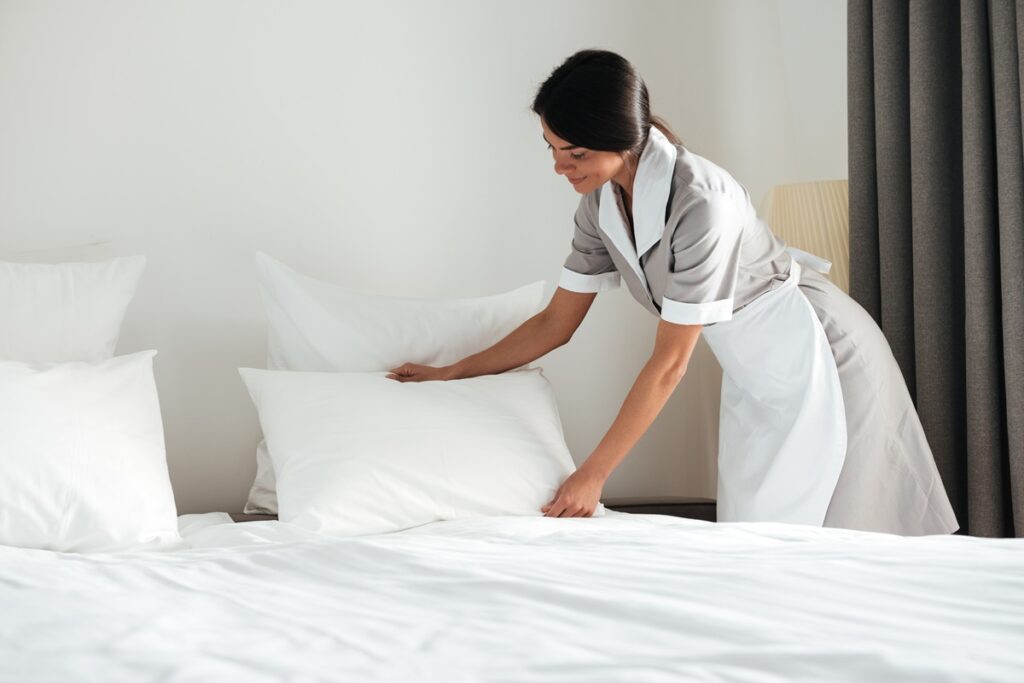
Treat your bedding well and it will repay you. A few habits that help:
- Wash on a gentle cycle in cool or warm water. Hot water is rarely necessary.
- Line dry when you can — it’s gentler on fibres and saves energy.
- Use mild detergent and avoid heavy perfumes or bleach.
- Rotate sets to reduce wear.
Eco-Friendly Bedding Trends – Colours, Materials, and Local Choices
This year the look leans calm: soft neutrals, natural hues and simple patterns. People want bedding that doesn’t shout but feels good. Multi-season duvets are in — one good duvet instead of two separate ones for summer and winter. Also, a quiet movement toward locally made textiles reduces shipping impact and supports small makers.
Final Thoughts — Sleep That Feels Right
Choosing Eco-friendly bedding is about small, sensible decisions. Pick what feels right for your sleep, check the basics like certifications, and prefer quality over quantity. Do that, and you’ll probably sleep better — and feel quietly satisfied that your choices line up with your values.