
Few things are as frustrating as finding a blue or black streak across a freshly made bed. But imagine settling into your room only to notice a blue mark across your sheet. Ink stains have a way of showing up at the worst possible time—whether from a leaking pen left on the bed, children doing homework on the quilt, or even a quick signature before dozing off.
But the good news is, How to remove ink stains from bed sheets is not as complicated as it seems. With a bit of patience and the right approach, you can save your bedding without resorting to harsh chemicals or expensive treatments. Paying attention to fabric care when treating ink stains is essential, as proper fabric care helps preserve the quality and longevity of your bedding. Let’s walk through the steps.
The good news? How to remove ink stains from bed sheets is easier than most people think, as long as you act fast and treat the fabric with care. Let’s break it down step by step.
Introduction to Ink Stain Removal
Ink stains are one of those everyday challenges that can catch anyone off guard, especially when they show up on your favorite bed sheets or clothes. The good news is that, thanks to new advances, removing ink stains is more manageable than ever. Whether you’re dealing with a ballpoint pen mishap, a permanent marker accident, or a splash from an inkjet printer, there are now a variety of effective solutions to help you tackle the stains and restore your fabrics. Understanding the different types of ink stains and choosing the right removal method is key to keeping your bedding and clothes looking their best. With the right approach, you can say goodbye to stubborn stains and enjoy fresh, clean sheets every time you make your bed.
Types of Ink Stains
Not all ink stains are created equal, and knowing what you’re up against can make all the difference in your stain removal success. The most common types of ink stains you’ll encounter include ballpoint pen ink, which is usually the easiest to remove, and permanent marker stains, which can be more stubborn. Inkjet printer ink is another culprit, often tricky to remove because of its water-based formula. Beyond these, you might also come across gel pen ink, rollerball pen ink, or even fountain pen ink—each with its own unique challenges. By identifying the type of ink that caused the stains on your bedding, you can select the most effective cleaning method and boost your chances of getting your sheets back to their original state.
Pre-Removal Steps
Before you dive into removing ink stains, a few simple pre-removal steps can make a big difference in your results. First, act quickly—the faster you address the stain, the better your chances of success. Start by gently blotting the area with a clean cloth or paper towel to soak up as much ink as possible, being careful not to rub and spread the stain further into your fabric. Next, pre-treat the spot with a stain remover or a mild solution of water and detergent, following the instructions on your product. Don’t forget to check the care label on your bedding to ensure you’re using the right cleaning method for your fabric. By following these steps, you’ll set yourself up for the best possible outcome and keep your bedding looking fresh and new.
Blot First, Don’t Rub – The Golden Rule for Removing Ink Stains
The second you spot the mark, don’t scrub. That only chases the ink deeper. Slide a dry towel under the spot, then press with tissue or a clean cloth—press, lift, rotate to a fresh bit, repeat. Think “lift the ink off” rather than “push it around.” This tiny habit often decides whether the stain disappears or sticks. Blotting is the crucial first step in the stain removal process.
Using Rubbing Alcohol or Hairspray on Cotton or Linen
One of the quickest ways people deal with fresh ink is rubbing alcohol. Dab a little on cotton wool and gently press over the stain. You’ll notice the ink transferring. Alcohol-based hairspray works similarly if that’s all you have at hand.
Both methods are safe for linen or organic cotton bedsheets, which many people here prefer for their breathable feel. Just remember to test on a hidden corner first to make sure there’s no colour change, and check for colorfastness to ensure the fabric’s color remains intact during treatment.
A Gentle Home Mix – White Vinegar and Dish Soap
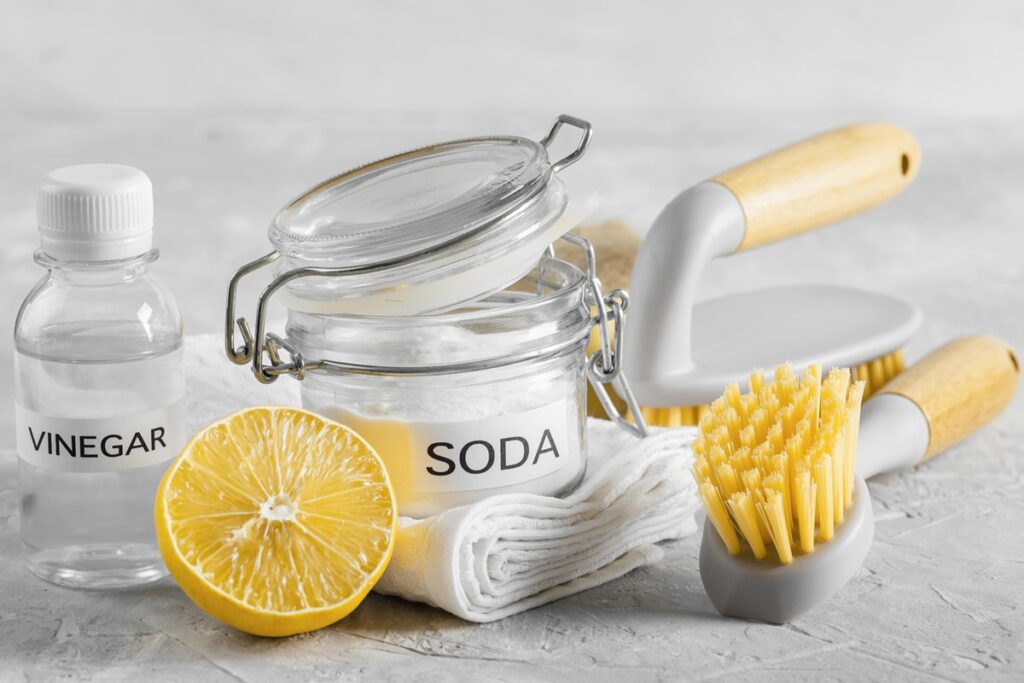
If you’d rather use natural ingredients already in your kitchen, try this: these common household items are effective for ink stain removal. Mix a small spoon of dish soap, soda with a spoon of white vinegar in a cup of warm water. Dip a cloth in the solution and pat the stain slowly. Vinegar breaks down the ink, while soap helps wash it away.
This works beautifully on Organic Cotton Bedsheets and even delicate Pillow Cases. You’re not just saving the fabric—you’re staying true to Organic bedding benefits by avoiding harsh chemicals.
Cold Water Wash and Eco-Friendly Detergent
Once the stain lightens, rinse under cold water. Hot water is a mistake—it sets ink forever. Wash the sheet in your machine using a mild detergent, and select a gentle laundry cycle to protect the fabric while effectively removing ink stains. Many households in the Emirates already look for Best Eco-Friendly Bedding Choices, and this step fits right into that lifestyle. Gentle products clean well without stressing the fabric.
Never Skip the Fabric Test
Before going all in, always test your chosen method on a seam or hidden edge. This is especially important if you’re treating items like a Fitted Sheet, Flat Sheet, or an Organic Duvet Cover. A quick check saves you from colour runs or fabric weakening later. Maintaining fabric integrity is crucial, so always ensure your cleaning method won’t compromise the strength or durability of the material.
Dry Naturally – Avoid Heat at All Costs
Even if the sheet looks spotless after washing, avoid the dryer. Heat can set any residual ink that may not be visible, making future removal much harder. Instead, air dry your bedding. Hang it indoors or in shaded outdoor areas. In the UAE’s climate, air drying is quick enough and much safer for the fabric.
Fabric-Specific Advice for UAE Homes
Most of the time, How to remove ink stains from bed sheet tips focus on cotton. That makes sense—it’s the most common fabric in local homes. Cotton can handle alcohol treatment better, but still keep the blotting gentle.
For linen blends, rely more on the vinegar-soap solution. It’s softer and kinder to fabric threads, helping them last longer. This method is recommended as part of proper linen care to preserve the quality and appearance of your linen fabrics.
Long-Term Bedding Maintenance Care
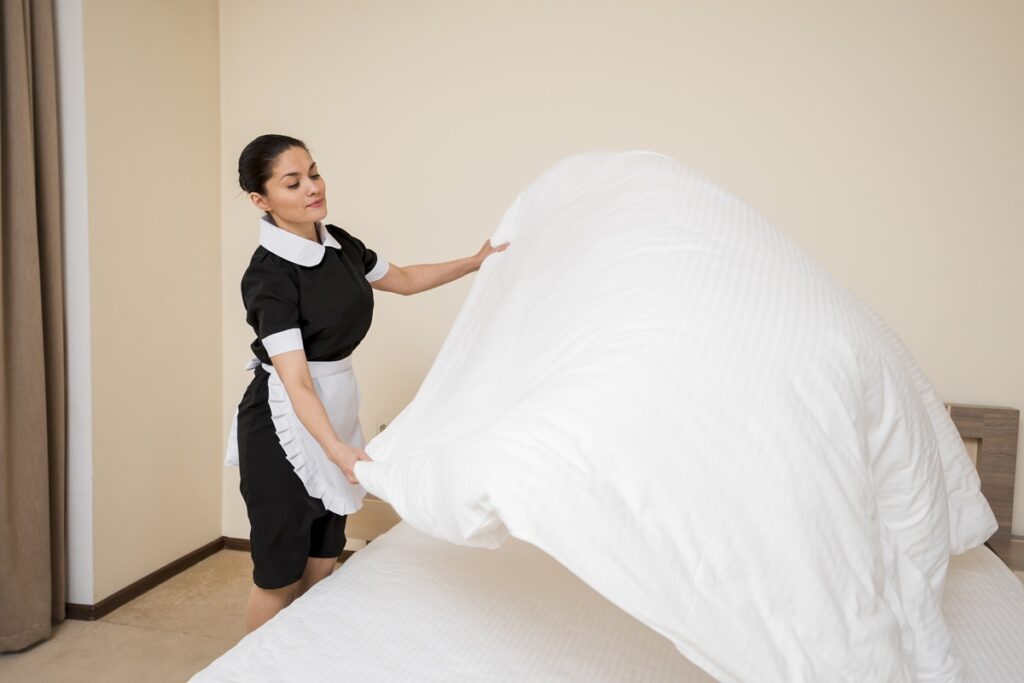
Preventing stains is always easier than fixing them. A few small habits can help:
- Keep pens and markers away from your Pillow Cases.
- Use notebooks instead of loose papers on your bed.
- Wash your bedding regularly—rotating your Bed Sheet keeps them fresh.
- Explore the Difference Between Fitted Sheet and Flat Sheet to pick what suits your routine best.
These steps help prevent ink stains from occurring in the first place.
And when it’s time to buy new bedding, remember that Organic Cotton Bedsheets or eco fabrics aren’t just healthier—they’re easier to clean when accidents happe
Final Word
At first sight, ink on your bedding feels like the end of the world. But once you know how to remove ink stains from a bed sheet, it’s really just another small laundry task. Act fast, blot first, pick the right solution, and always let your bedding air dry.
These little steps will keep your Organic Cotton Bedding looking spotless—without stress.
Clean bedding isn’t just about appearance. It’s about comfort, health, and enjoying the sustainable bedding benefits you invested in. The next time ink makes its way onto your sheet, you’ll know exactly what to do—calmly and confidently.